
Drive Thru Timer Systems: How Accurate Timing Drives Revenue
By JD Medford • July 3, 2026 • 4 minute read
Speed alone doesn't drive revenue, accurate timing data does. See why measuring the right things, the right way, is what actually moves the needle on drive thru sales.
Share
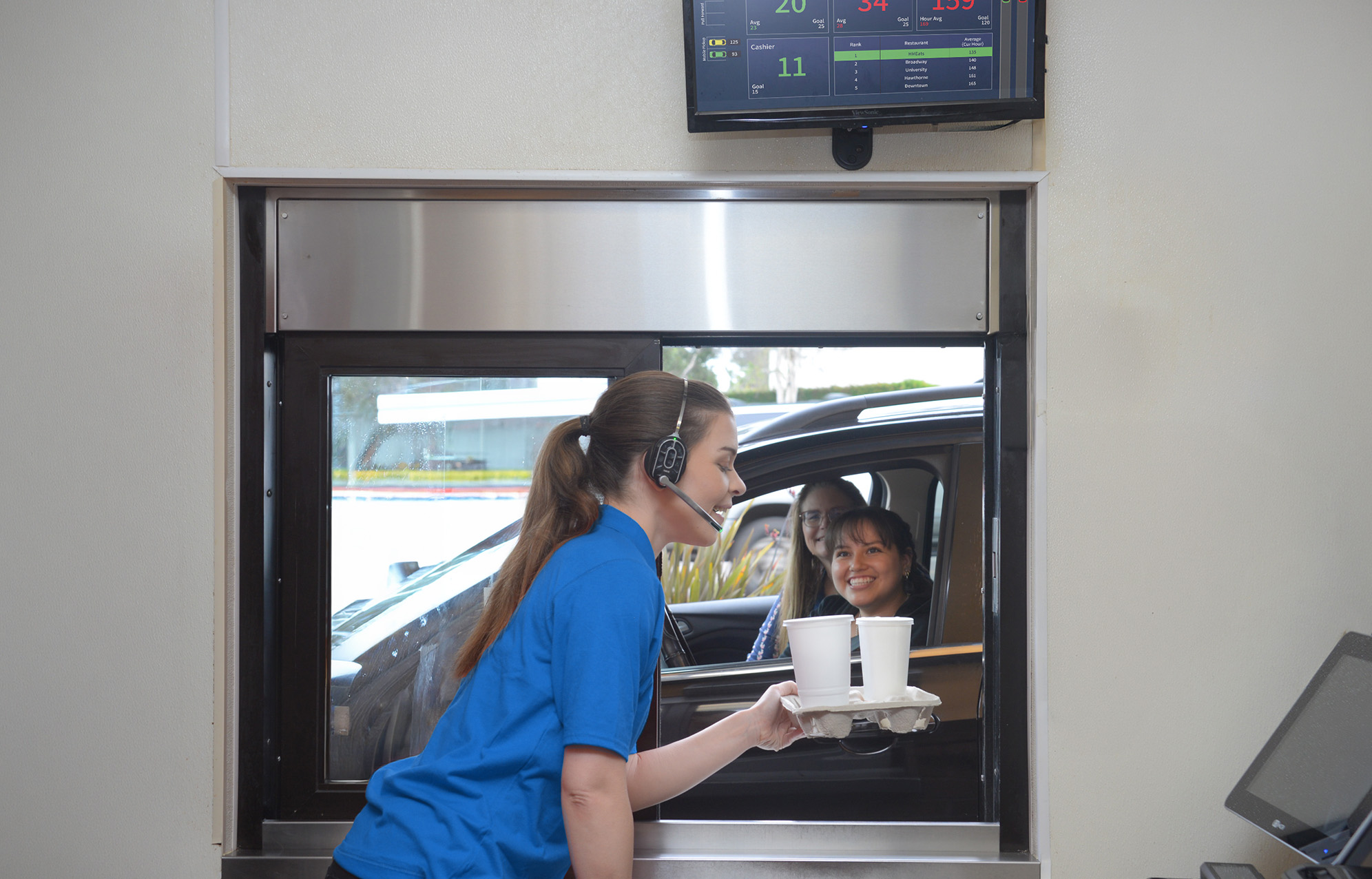
For most quick-service brands, the drive thru is no longer a convenience channel, it’s the primary revenue engine. That makes timing accuracy a financial question, not just an operational one. Every restaurant times its drive thru in some form, but a number on a dashboard is only useful if it reflects what guests actually experienced. Get the timing wrong, and every decision built on top of it, staffing, layout, coaching, is built on the wrong foundation.
Why “Time” Isn’t a Single Number
A drive thru visit isn’t one event, it’s several: the wait to reach the speaker, the time spent ordering, the wait at the window, and the time it takes to hand off the order. Total time is the number most operators watch, but revenue decisions depend on knowing which segment is actually driving that total. A restaurant that’s slow because of a long wait to reach the speaker needs a different fix than one that’s slow at the window, and treating them the same wastes labor hours and capital on the wrong problem.
This is where accuracy earns its keep. If a restaurant’s timing data only starts the clock partway through the visit, or rounds or estimates rather than measuring precisely, managers end up optimizing against an incomplete picture. They might add staff to the window when the real bottleneck is earlier in the lane, or roll out a training initiative aimed at order-taking speed when guests are actually waiting longest before they ever reach the speaker. Inaccurate data doesn’t just fail to help, it actively points resources in the wrong direction.
What the 2025 Data Shows
The 25th Annual Intouch Insight Drive Thru Study puts real numbers behind why precision matters. Wait time is now the single largest gap compared to pre-2020 benchmarks, meaning the time a car spends before ever reaching the speaker is where restaurants are losing the most ground, a detail that only shows up if a restaurant is measuring the full visit rather than just the transaction. The study also found that clear speaker audio shaved 54 seconds off the average interaction, and customers who didn’t have to repeat their order saved a full minute and 25 seconds compared to those who did. Those are the kinds of specific, segment-level insights that turn a single “total time” number into an actual action plan.
The study’s station data adds a revenue-relevant nuance too: restaurants running more stations may ease pressure at the window, but overall satisfaction and friendliness both decline as stations increase. Speed gains that come at the cost of guest experience can be self-defeating, and an operator only sees that tradeoff clearly when their timing and satisfaction data are both accurate enough to compare side by side.
Turning Accurate Data Into Revenue
The financial case for accuracy is direct. Shaving even 15 to 20 seconds off average total time translates into more cars served per hour during peak dayparts, and that translates into incremental revenue, especially across a multi-unit footprint where small per-restaurant gains compound quickly. But that math only works if the underlying data can be trusted. A restaurant chasing a flawed number might hit its internal target while guest wait times stay exactly the same, showing improvement on paper without moving the metric that actually affects sales.
Accurate, real-time timing data also does more good the faster it reaches the people who can act on it. A number that surfaces in a weekly report is useful for long-term planning, but a number that reaches a manager or crew member while a car is still in the lane can change the outcome of that specific transaction. The value of accuracy compounds when it’s paired with speed of delivery.
The Bottom Line
Restaurants don’t lose revenue because they aren’t measuring their drive thru, they lose revenue because they’re measuring the wrong thing, or measuring the right thing imprecisely. Getting timing accuracy right is what separates a restaurant that’s genuinely improving speed of service from one that’s only improving its own scorecard.
If speed, accuracy, and guest experience all matter to your bottom line, it starts with knowing exactly where your seconds are going. Contact an HME representative today to see how accurate drive thru timing and real-time communication can optimize your restaurant’s performance.
Share

JD Medford
Senior Customer Success Advisor, HME
